Dhruv Gupta

I like building things that leave the screen.

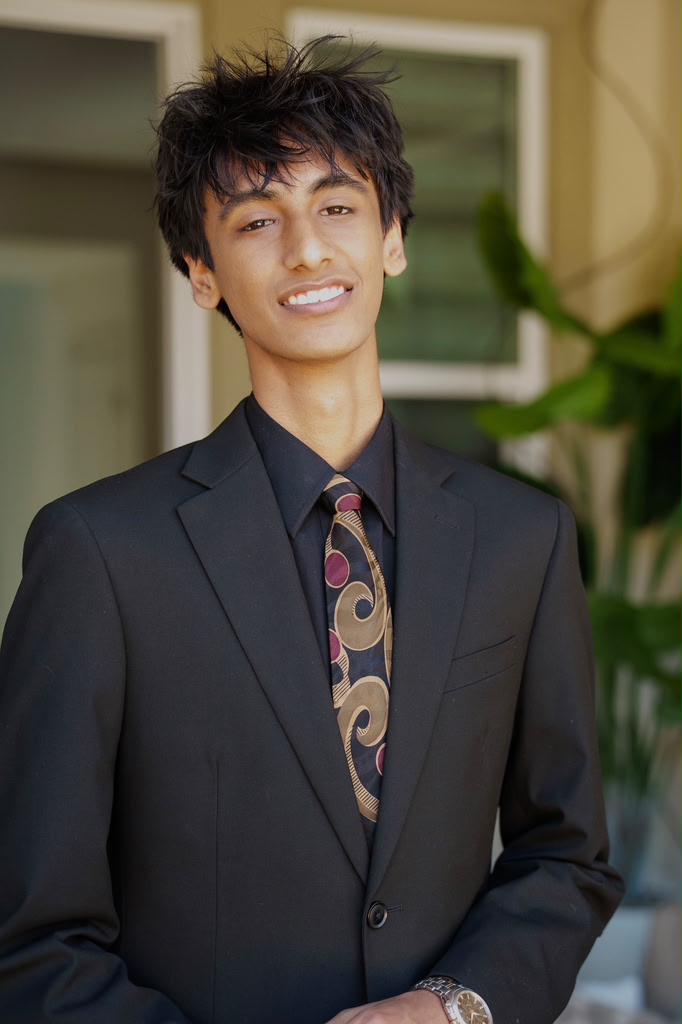
I am an incoming Computer Engineering student at UC Santa Barbara focused on embedded systems, firmware, PCB design, and hardware prototyping.

Dhruv Gupta
Right nowLearning STM32 firmware on a NUCLEO-F446RE and continuing to build systems that combine electronics, software, and CAD.
13projects documented
11hackathon awards
53speech tournaments
30+printing clients

About

Engineering starts with paying attention.

I am most interested in the point where code meets a physical system. My projects usually start with a practical problem, then move through breadboards, firmware, CAD, fabrication, and many rounds of testing.

Outside of engineering, speech and debate taught me how to explain technical ideas clearly, listen closely, and rebuild an approach when the first version does not work.

Projects

Build notes, problems, and iterations.

Every project has a full build story. Open a card to see what went wrong and how I improved it.

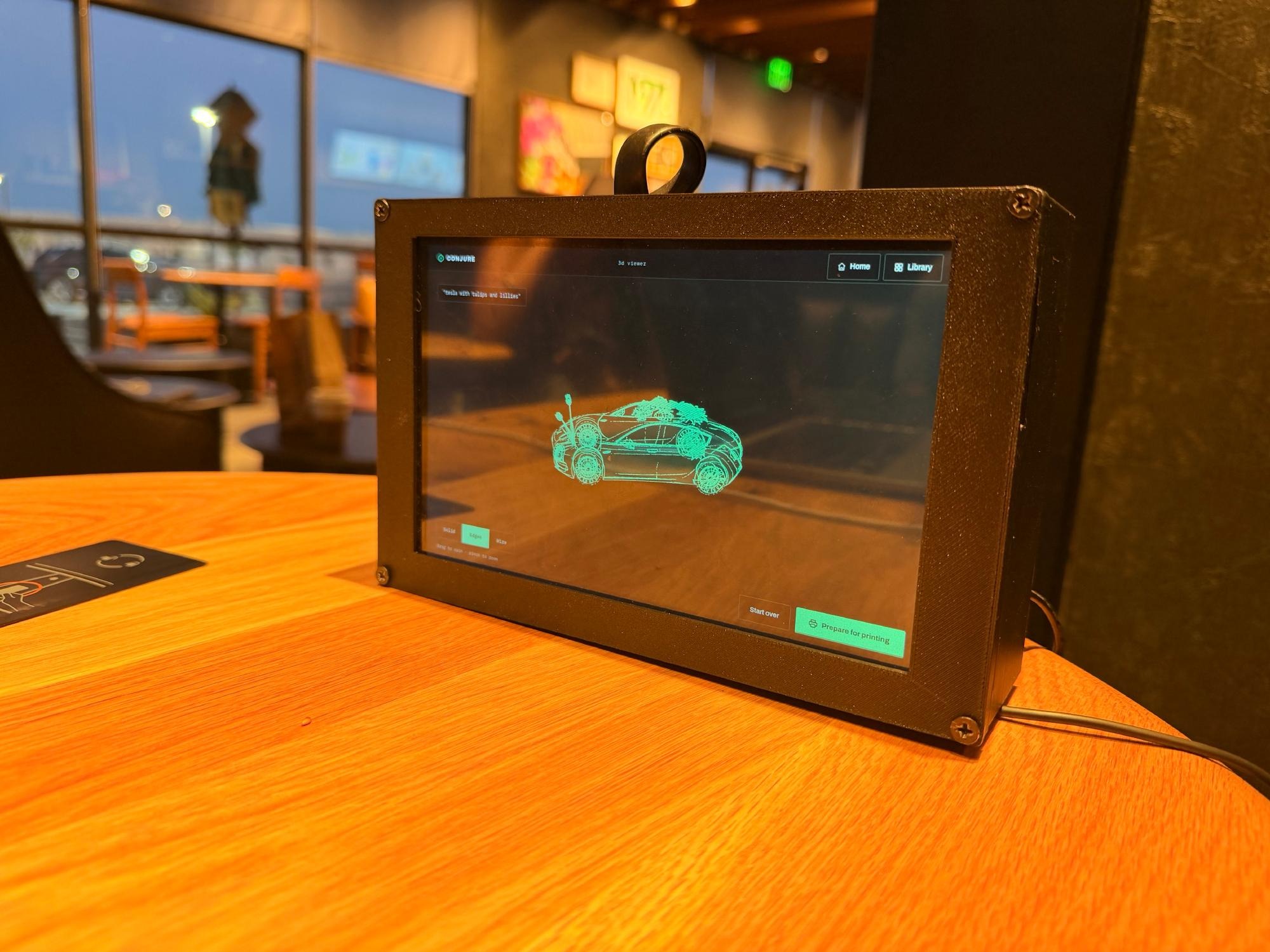
CONJR voice-to-3D printing kiosk at WizardHacks
2026WizardHacks, Best Use of You.com

CONJR

A voice-to-3D system that turns a spoken part request into a model that can be reviewed, sliced, and printed.

Read the full build story

What I built

I built CONJR in seven hours around an Orange Pi 5 Pro kiosk. One path sends an idea to Meshy AI and previews the result in Three.js, while an engineer path uses You.com and Tavily to gather dimensions before Llama 3.3 writes parametric OpenSCAD.

The problem I worked through

A spoken request can be too vague to produce a useful or printable part, and the AI, CAD, slicing, and printer steps all had to work together during a live demo.

How I improved it

I added two modeling paths instead of relying on one generator, collected reference specifications before CAD generation, and used CuraEngine plus a networked Neptune 4 Pro to complete the voice-to-print workflow.

Tools: Orange Pi 5 Pro, Python, OpenSCAD, CuraEngine, Three.js, Meshy AI, Llama 3.3

View project
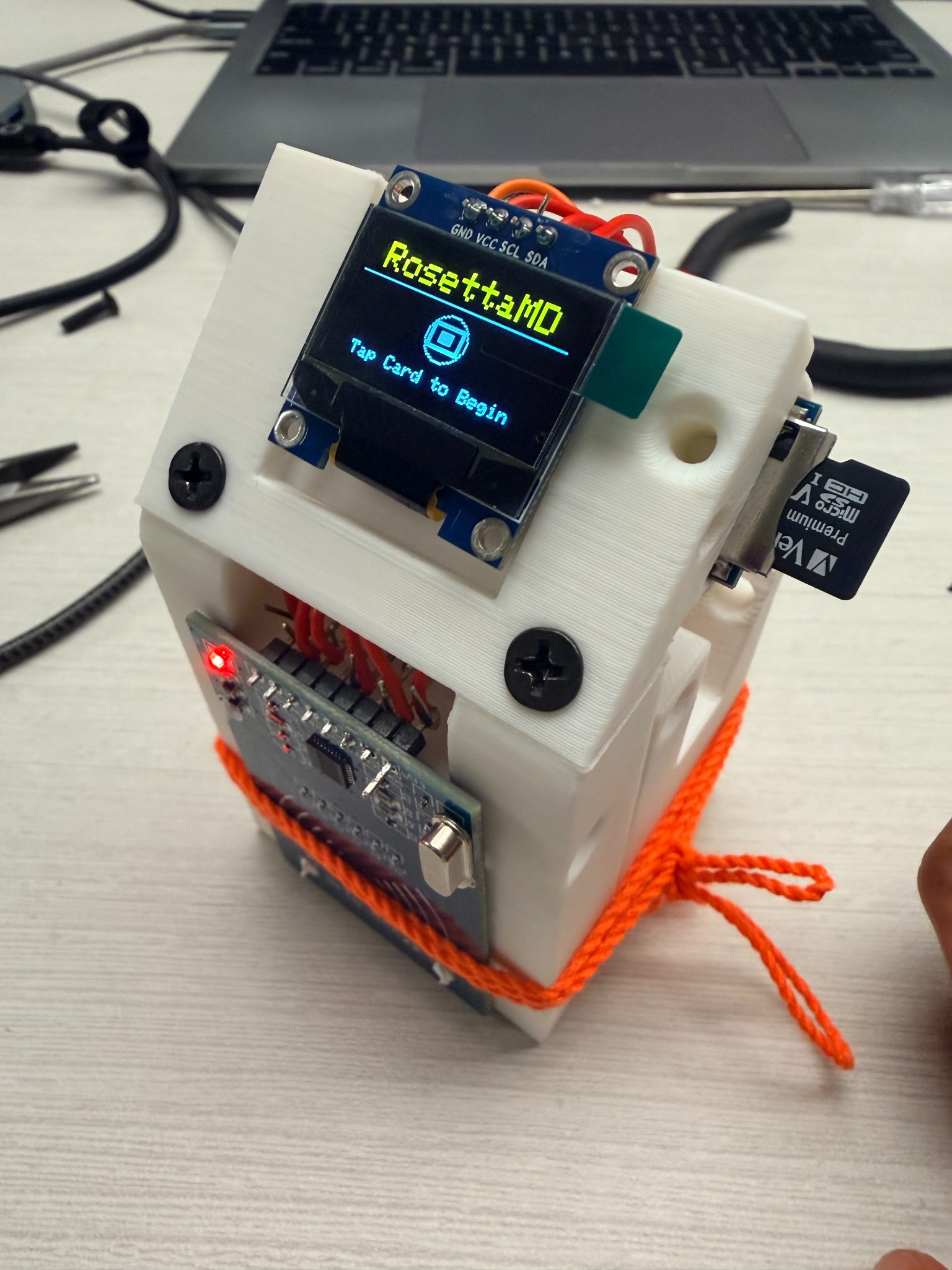
RosettaMD handheld medical speech translator
2026CruzHacks, Best Hardware Hack

RosettaMD

A handheld device that turns complex clinical speech into plain-language explanations for patients.

Read the full build story

What I built

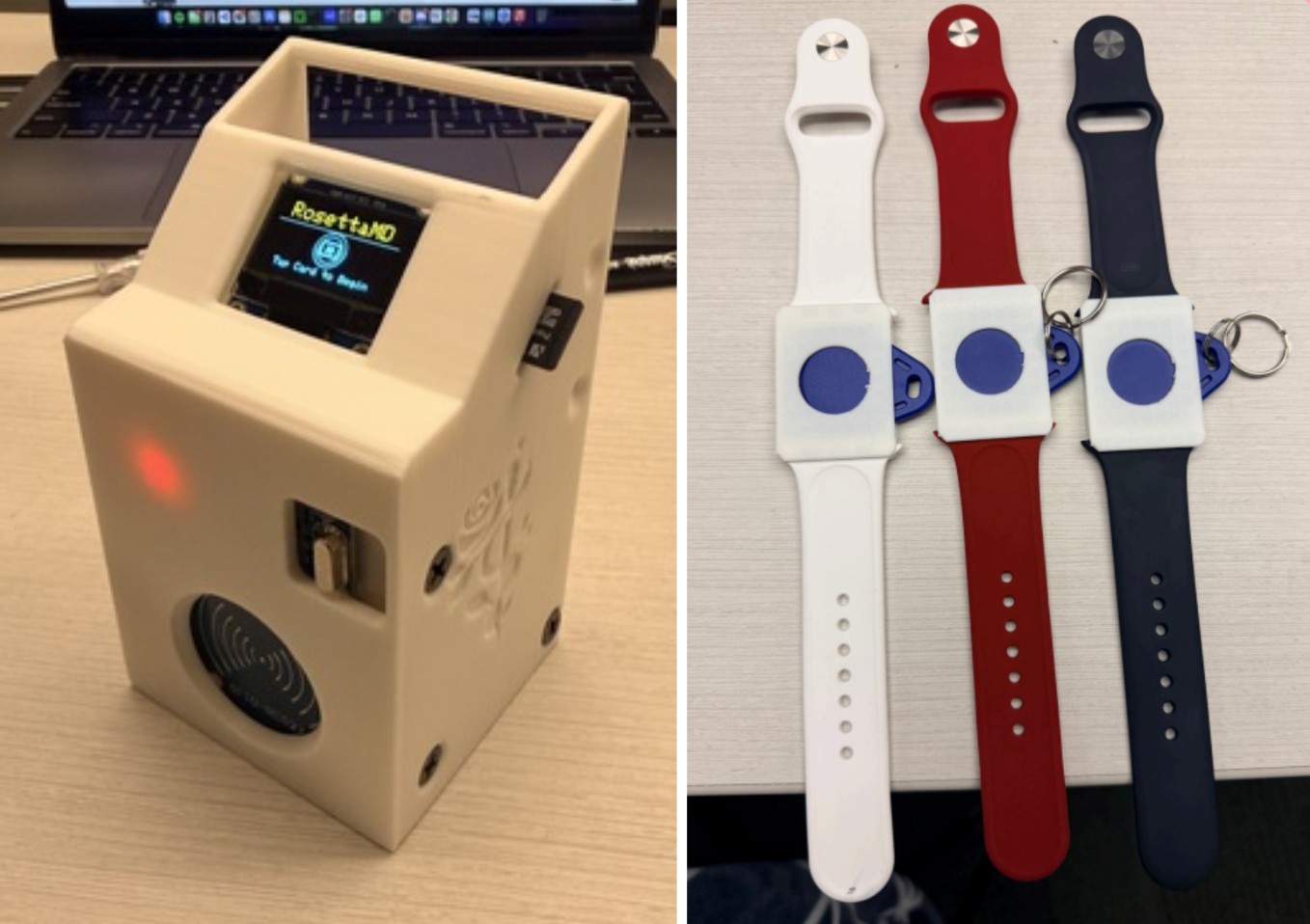
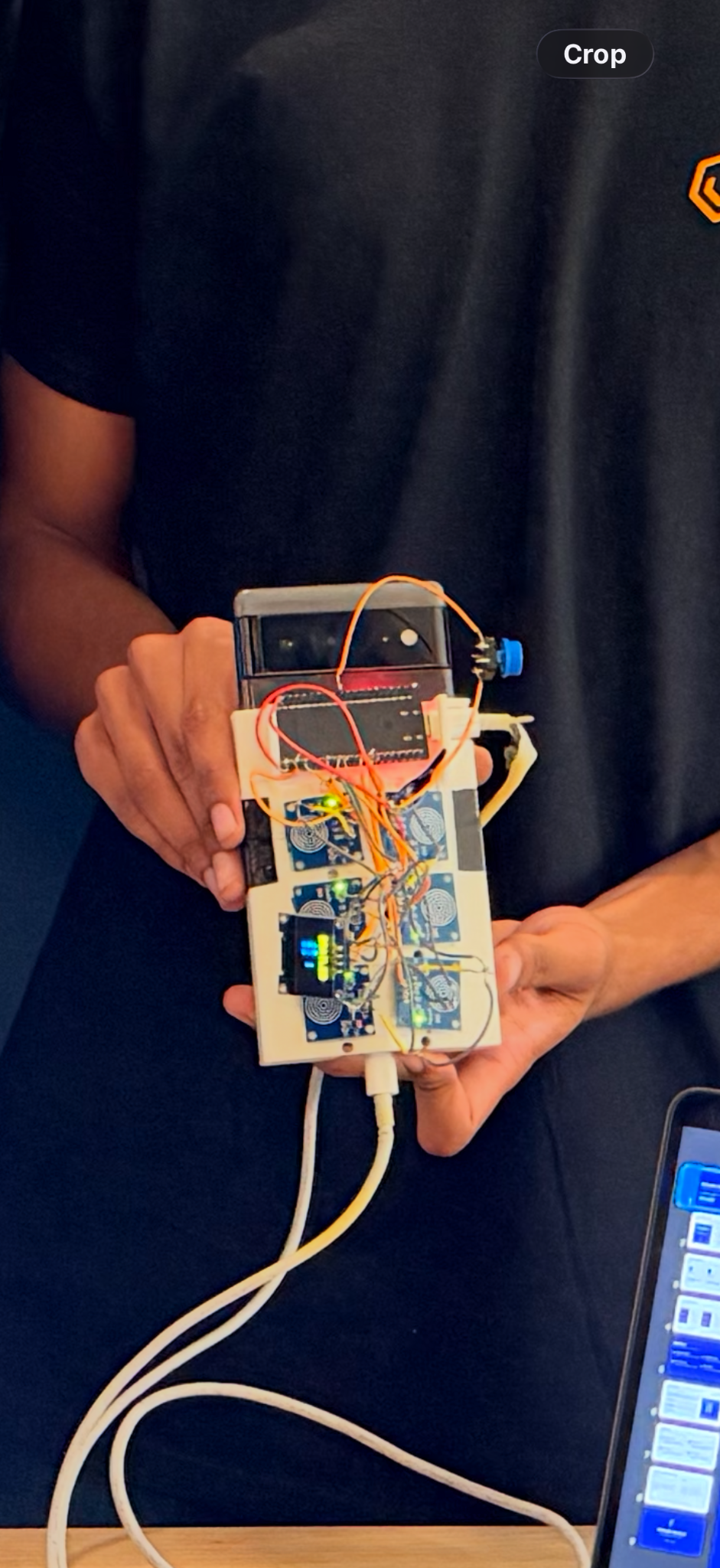
An ESP32 and MEMS microphone capture a clinician's explanation, then a FastAPI pipeline removes jargon and returns a clearer summary through a React interface. The physical device includes an OLED, buzzer, LiPo battery, and custom Fusion 360 enclosure.

The problem I worked through

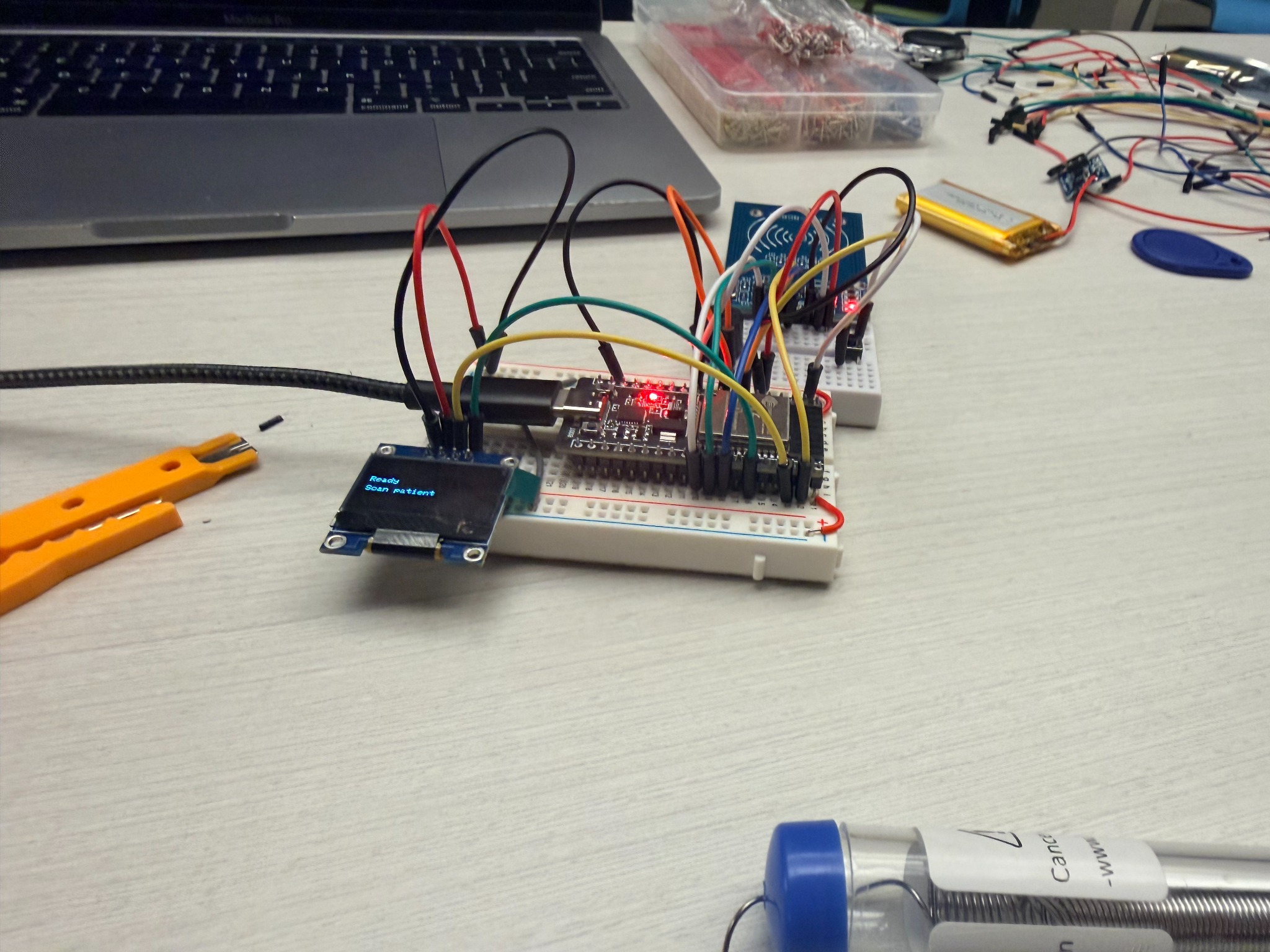
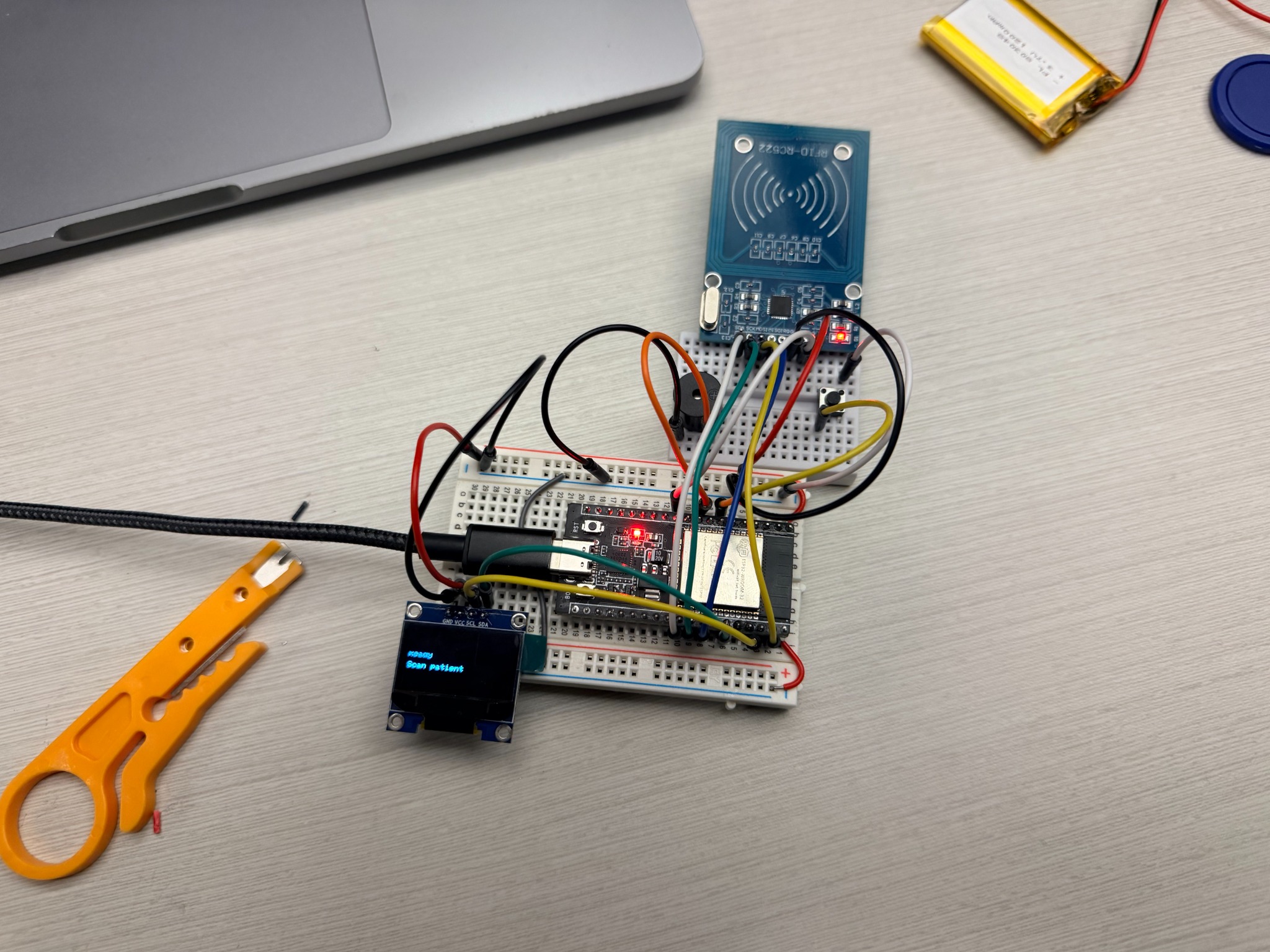
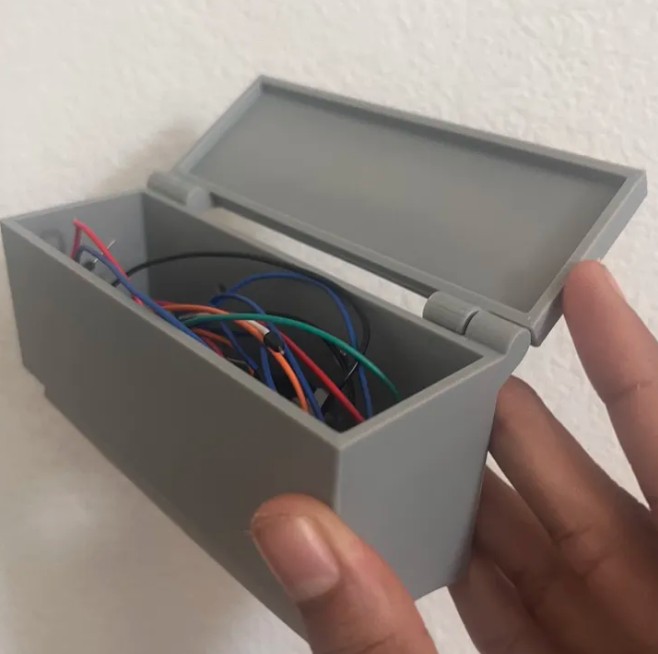
The first version was a loose breadboard with long wiring runs, making it difficult to handle and harder to debug power, audio, display, and RFID behavior at the same time.

How I improved it

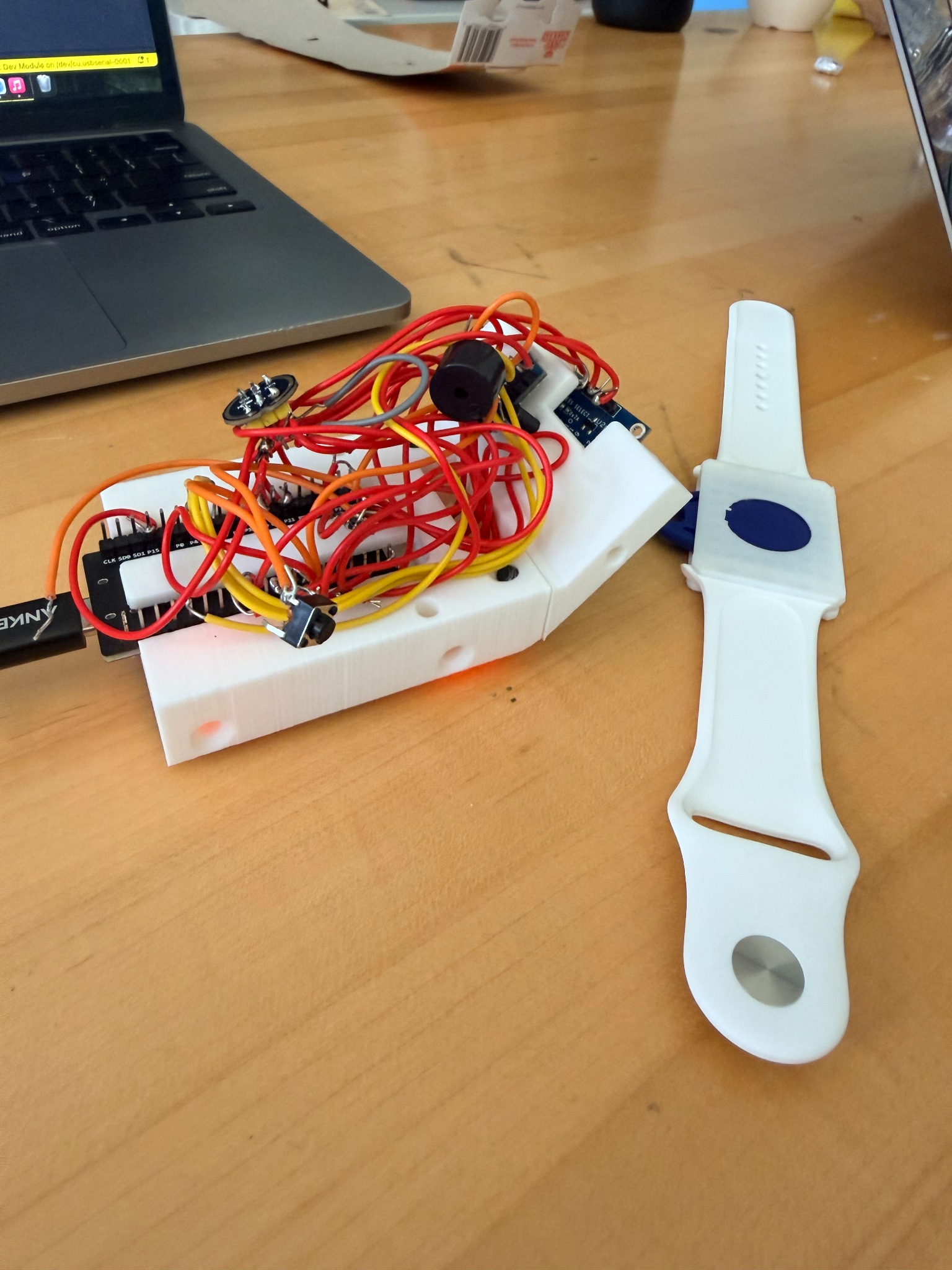
I tested each subsystem on the breadboard, adjusted the layout around the real component sizes, and moved the electronics into a compact printed enclosure with better access to the display, card reader, battery, and controls.

Tools: ESP32, C++, FastAPI, React, MEMS microphone, OLED, LiPo, Fusion 360

View project
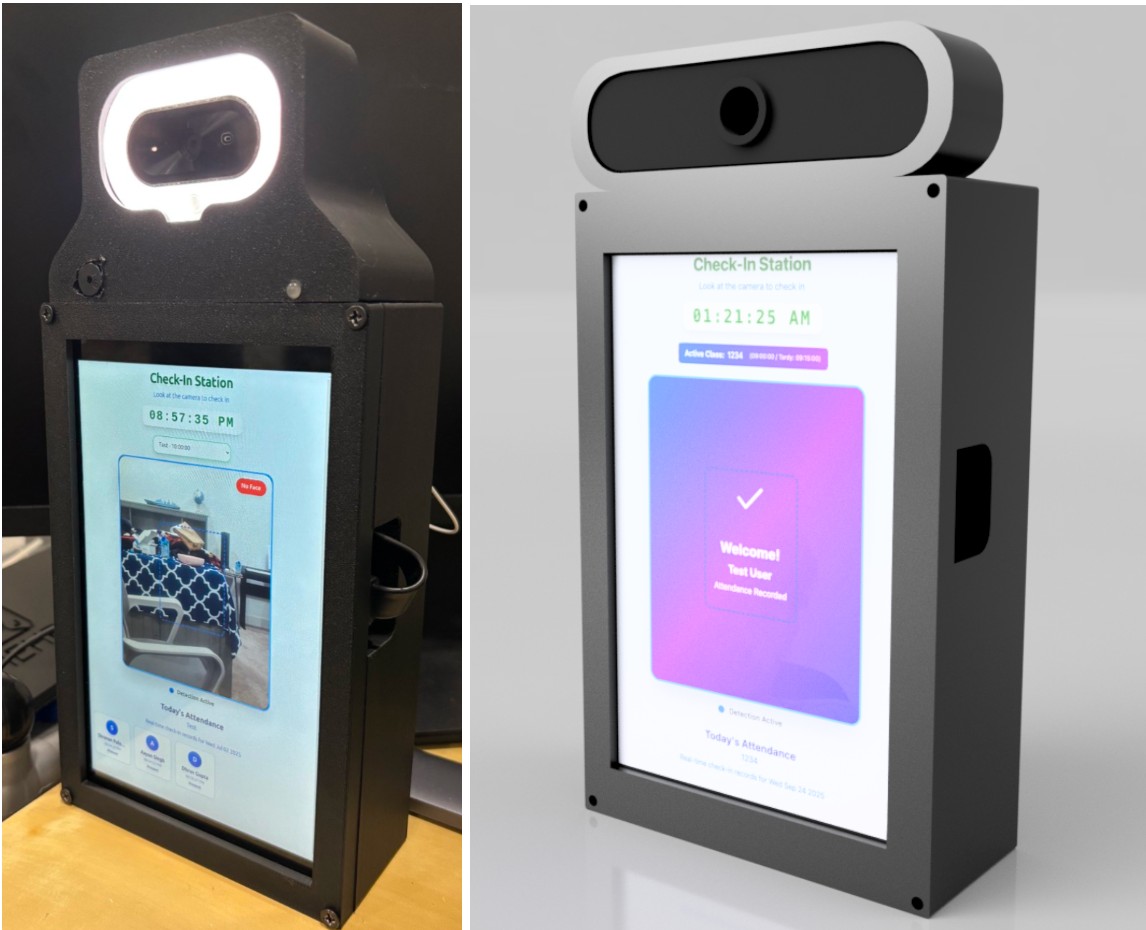
CHEHRA facial recognition attendance devices
2025 to 2026Two classroom pilots

CHEHRA

A facial recognition attendance system built to make classroom check-ins faster and easier to review.

Read the full build story

What I built

Python and OpenCV run recognition on an Orange Pi, while React Native displays the check-in flow and Supabase stores users and attendance logs. I designed the custom PCB, camera and display mounts, and the Fusion 360 enclosure.

The problem I worked through

Recognition accuracy alone was not enough. The camera angle, enclosure fit, classroom lighting, startup behavior, and log reliability all affected whether the system worked in daily use.

How I improved it

Across more than ten hardware and enclosure iterations, I refined component placement and tested the full workflow. The system reached 96 percent accuracy across more than 250 check-ins in two pilot classrooms, and I used reliability logs to prepare a district funding proposal.

Tools: Orange Pi, Python, OpenCV, React Native, Supabase, PCB design, Fusion 360

View project
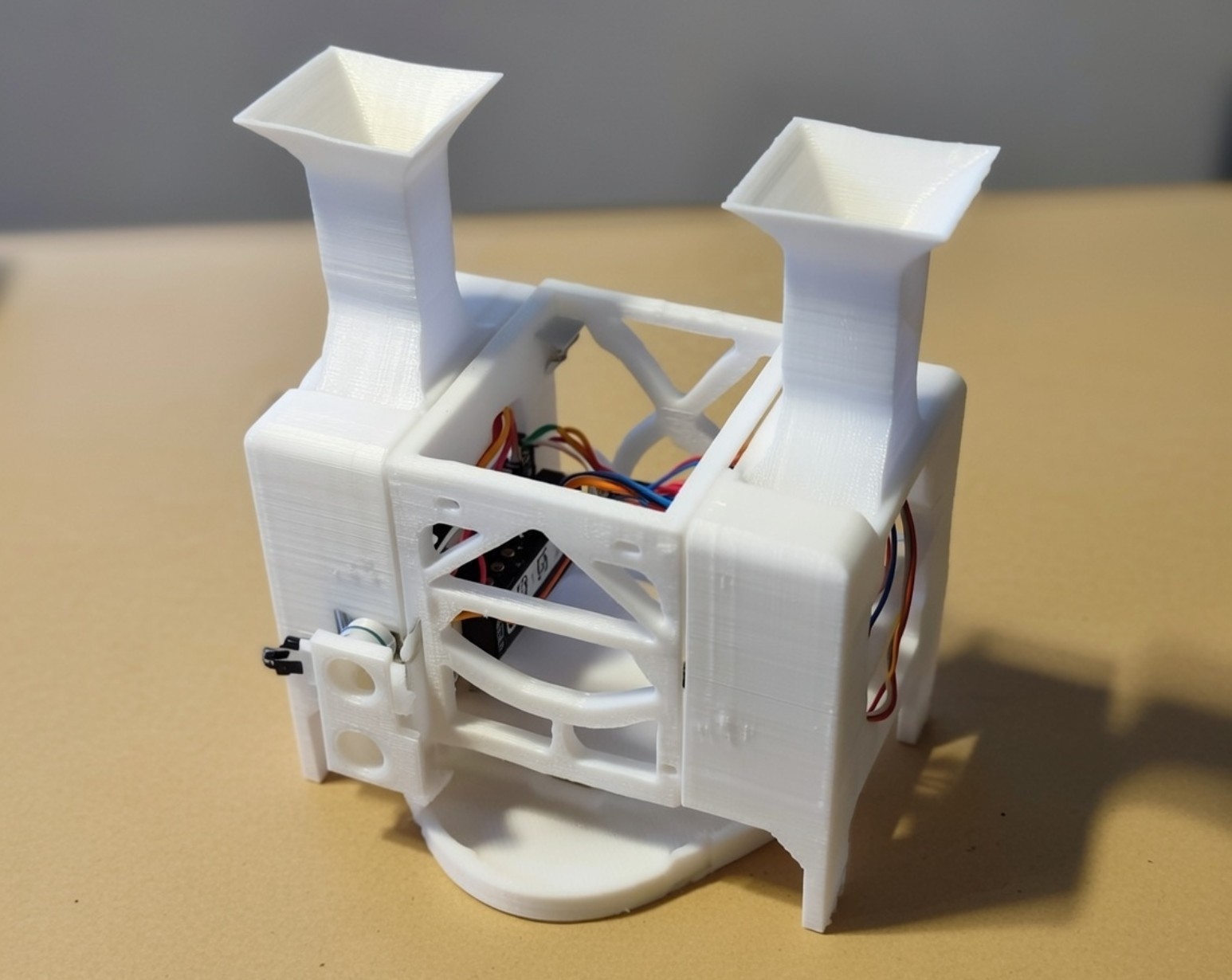
PillWatch facial recognition medication dispenser
2025CruzHacks, Best Hardware Hack

PillWatch

A facial recognition pill dispenser that matches a patient with the correct medication type and dosage.

Read the full build story

What I built

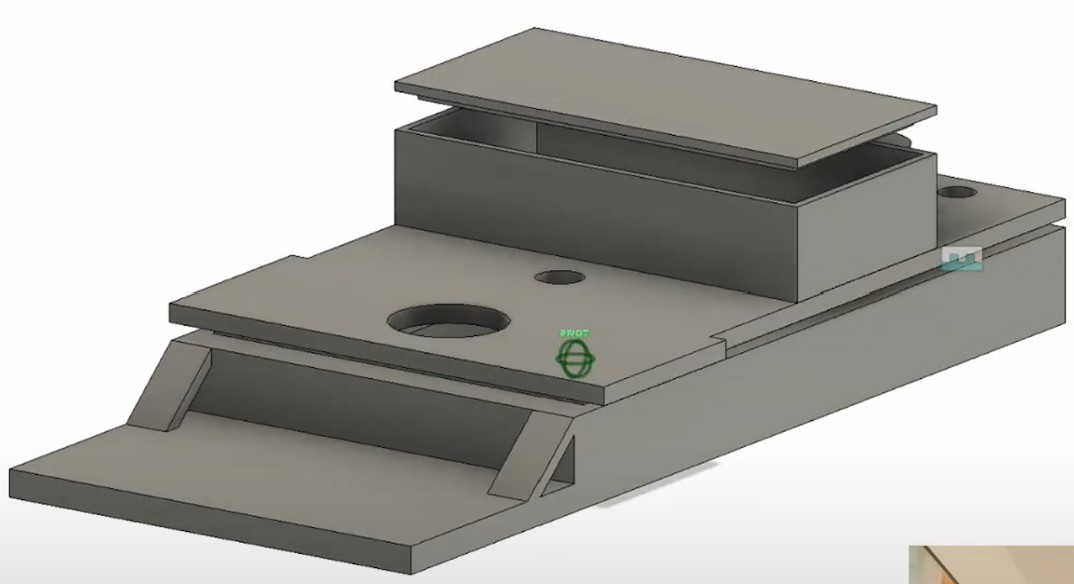
A Raspberry Pi runs the patient recognition step, while an ESP32, Arduino, stepper motor, and TFT display handle dispensing and feedback. I modeled the chassis around the pill channel, motor mount, display, and electronics bay.

The problem I worked through

The mechanism had to align medication paths with the stepper while leaving enough space for the electronics and allowing the device to be opened when something needed adjustment.

How I improved it

I separated the pill channel from the electronics bay, added service access, and iterated on the motor and display mounts so the full 36-hour prototype could be assembled, tested, and demonstrated reliably.

Tools: Raspberry Pi, ESP32, Arduino, Python, C++, stepper motor, TFT, Fusion 360

View project
Intellewaste sensor-equipped waste bin prototype
2024 to 2025Central Valley Business Expo, 1st of 10 finalists

Intellewaste

A sensor-equipped waste bin designed to report fill conditions and improve municipal collection routes.

Read the full build story

What I built

The prototype combines an ESP32 with infrared, weight, and moisture sensors so a collection team can see whether a bin is full, unusually heavy, or holding wet waste.

The problem I worked through

A useful route decision cannot come from a single sensor, and the concept also had to make sense to cities that already use established collection schedules.

How I improved it

I combined several measurements into one prototype, presented it to more than ten municipalities and consulting firms, and used their pilot feedback during a one-year mentorship and continued research with BBSI.

Tools: ESP32, infrared sensor, load cell, moisture sensor, IoT prototyping

Independent build
Tizba autonomous home security robot
2024MountainHacks, 1st Place and Best Hardware Hack

Tizba

A small autonomous home security robot that patrols a space and avoids nearby obstacles.

Read the full build story

What I built

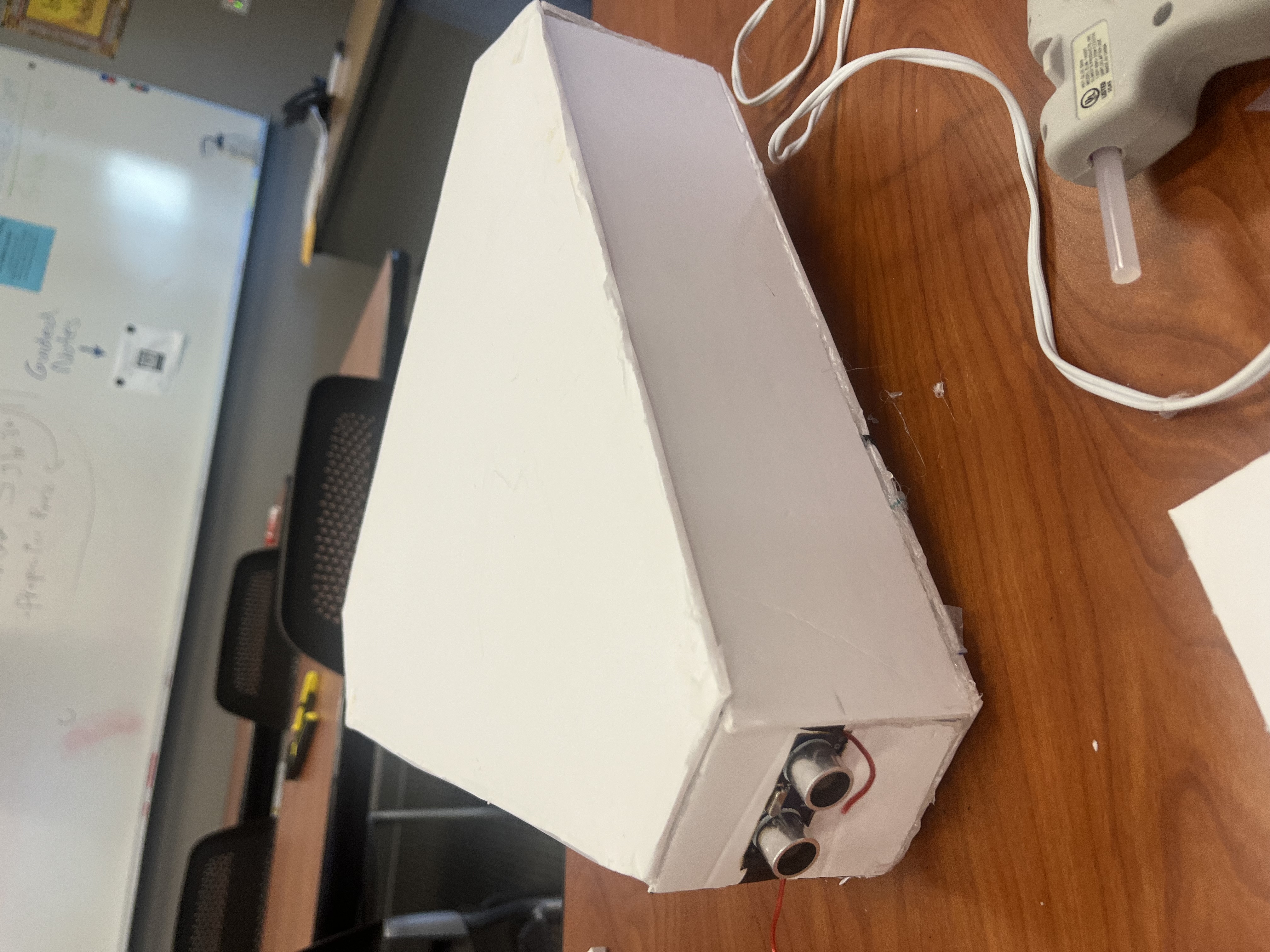
I programmed the robot in C++ and integrated motors, H-bridges, and ultrasonic sensors into a purpose-built mobile chassis. The project connected basic perception directly to motor control.

The problem I worked through

The robot needed to react quickly enough to avoid objects without becoming stuck or changing direction constantly because of noisy distance readings.

How I improved it

I refined the distance thresholds and movement logic, then reorganized the sensor and motor layout so the chassis was easier to test and the robot could demonstrate a complete patrol loop.

Tools: Arduino, C++, ultrasonic sensors, motors, H-bridges, chassis design

View project
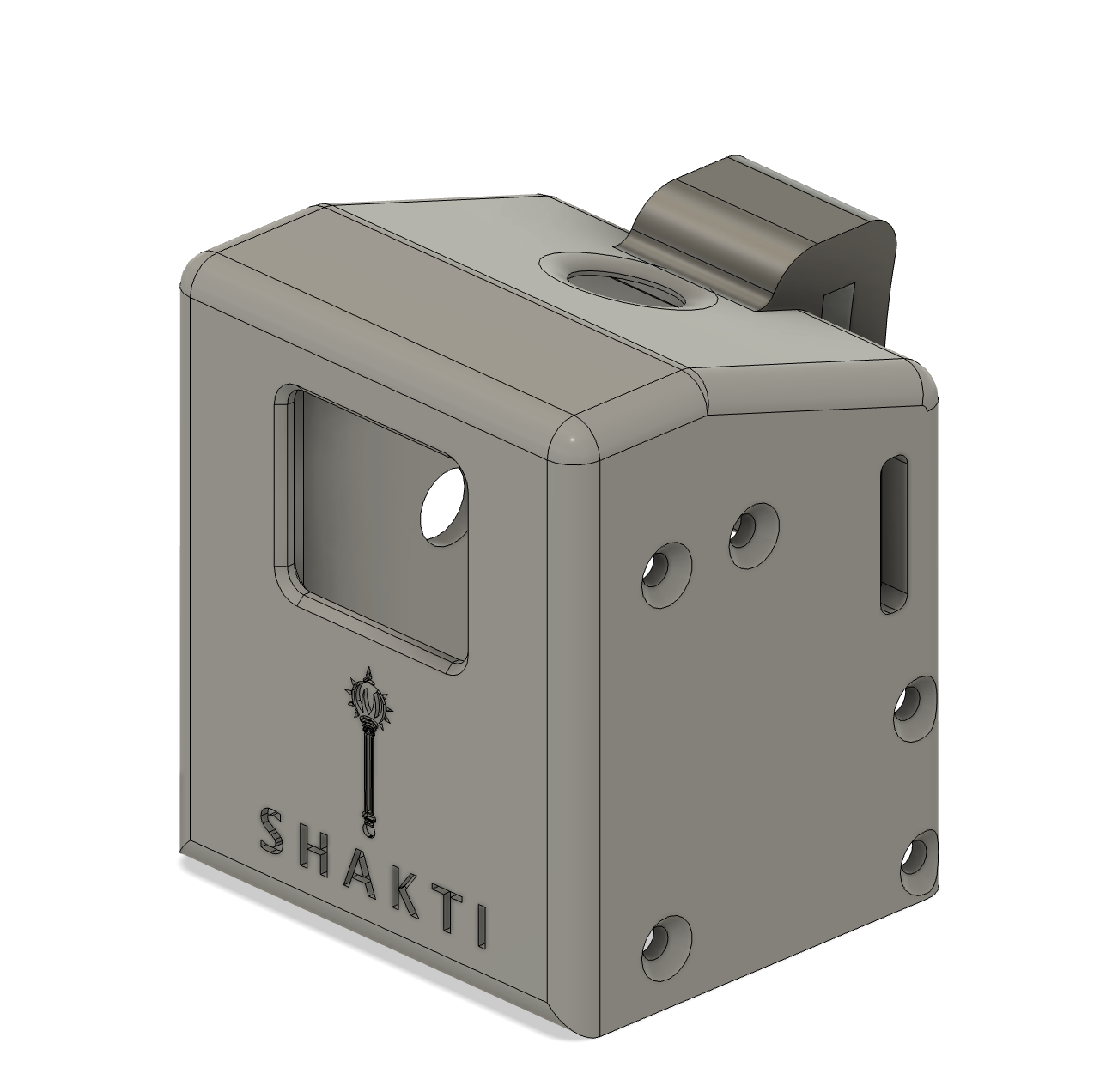
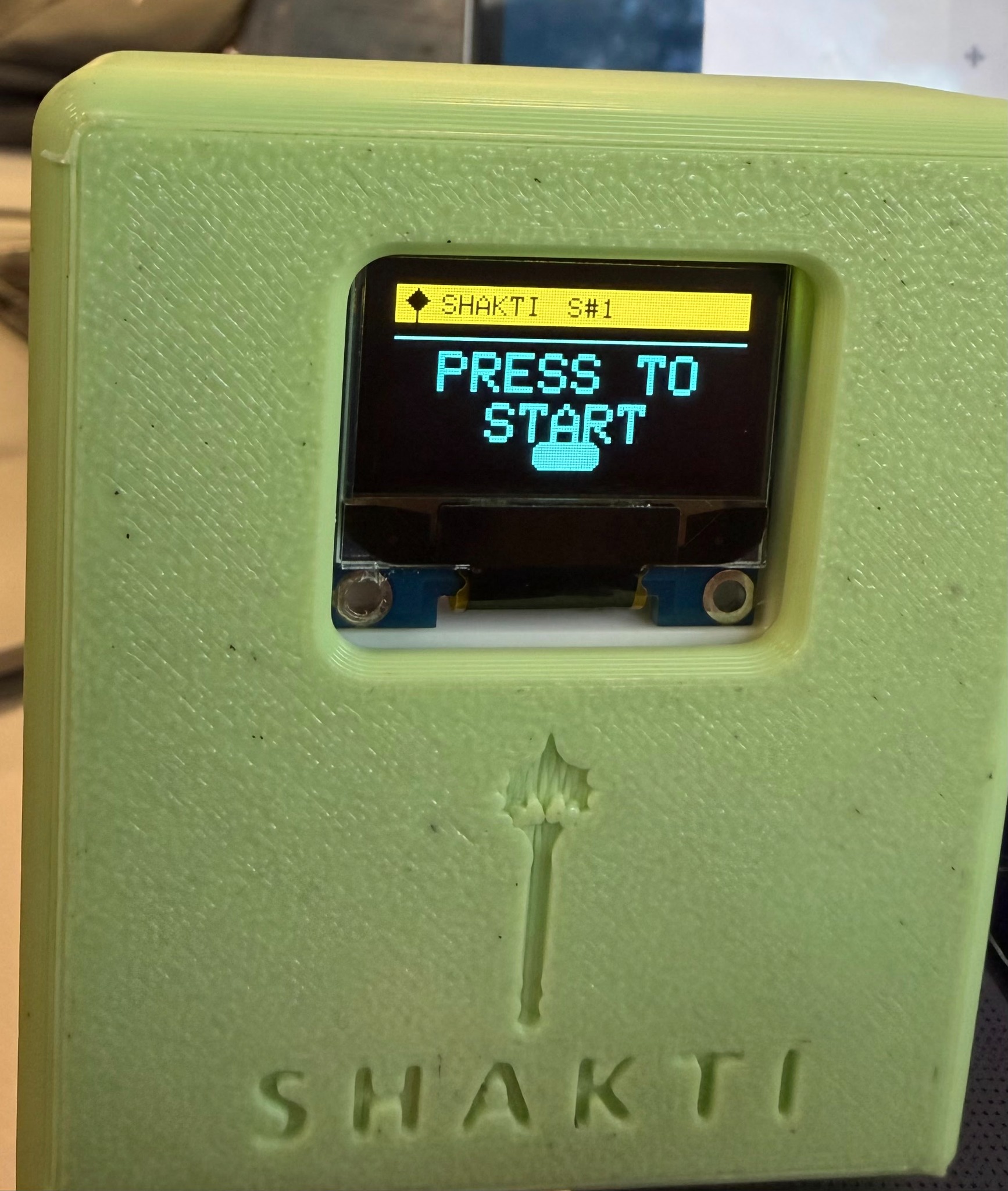
Shakti CAD model and digital coaching systemCompleted Shakti hardware enclosure and display
2026BISV Hacks, 1st Place

Shakti

An AI coaching platform that gives coaches and trainees a shared place for sessions, records, and lifting-form feedback.

Read the full build story

What I built

The system has separate coach and trainee portals, records training sessions, uses MoveNet to analyze body position, and uses Qwen3-8B to turn the analysis into practical feedback.

The problem I worked through

Pose keypoints are technical and noisy, so raw model output would not be useful to an athlete or a coach during a real training workflow.

How I improved it

I separated movement analysis from the user-facing coaching flow and organized the output around understandable corrections, session history, and the different needs of coaches and trainees.

Tools: Python, React, TypeScript, MoveNet, Qwen3-8B, C++, SQL

View project
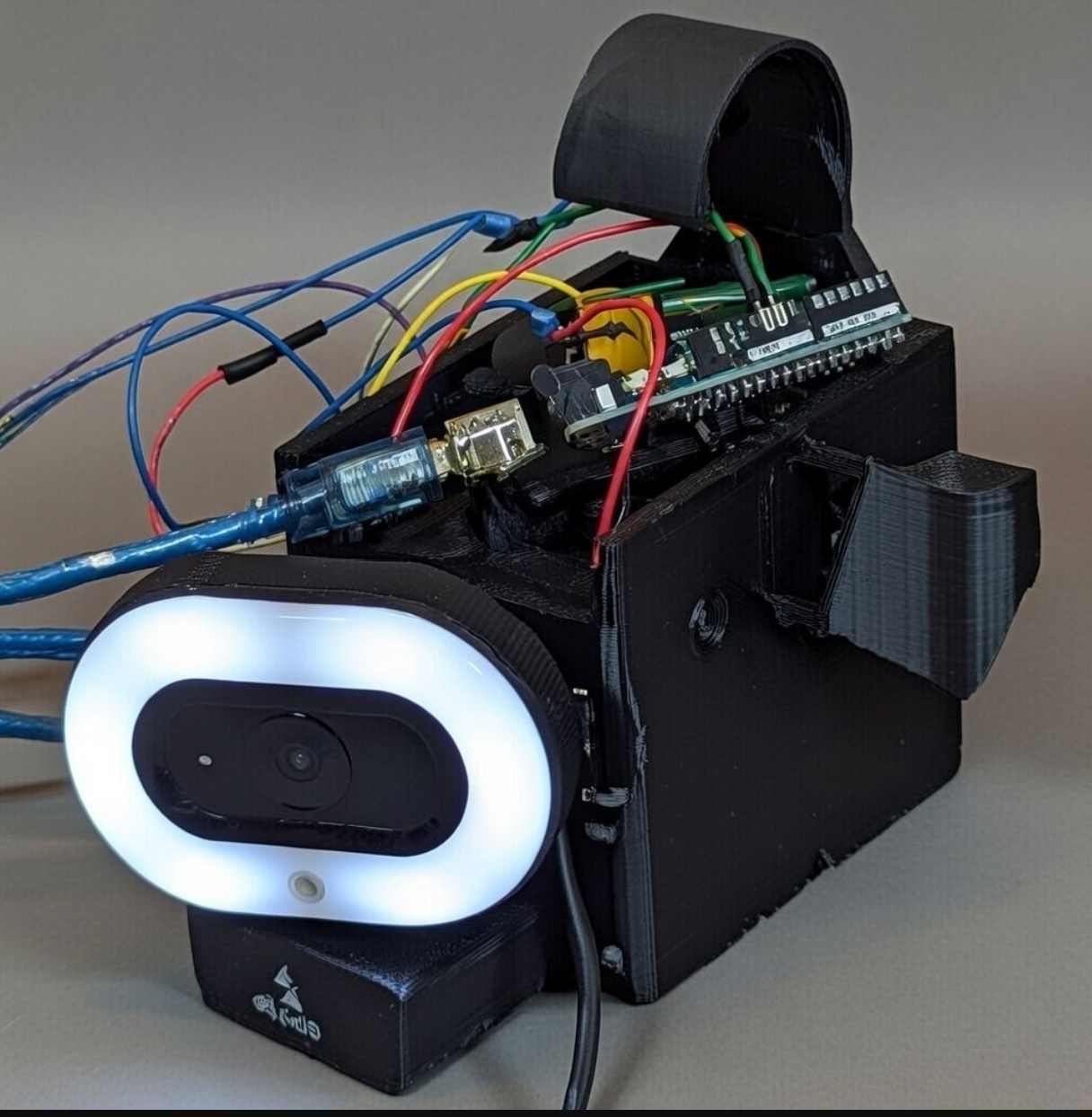
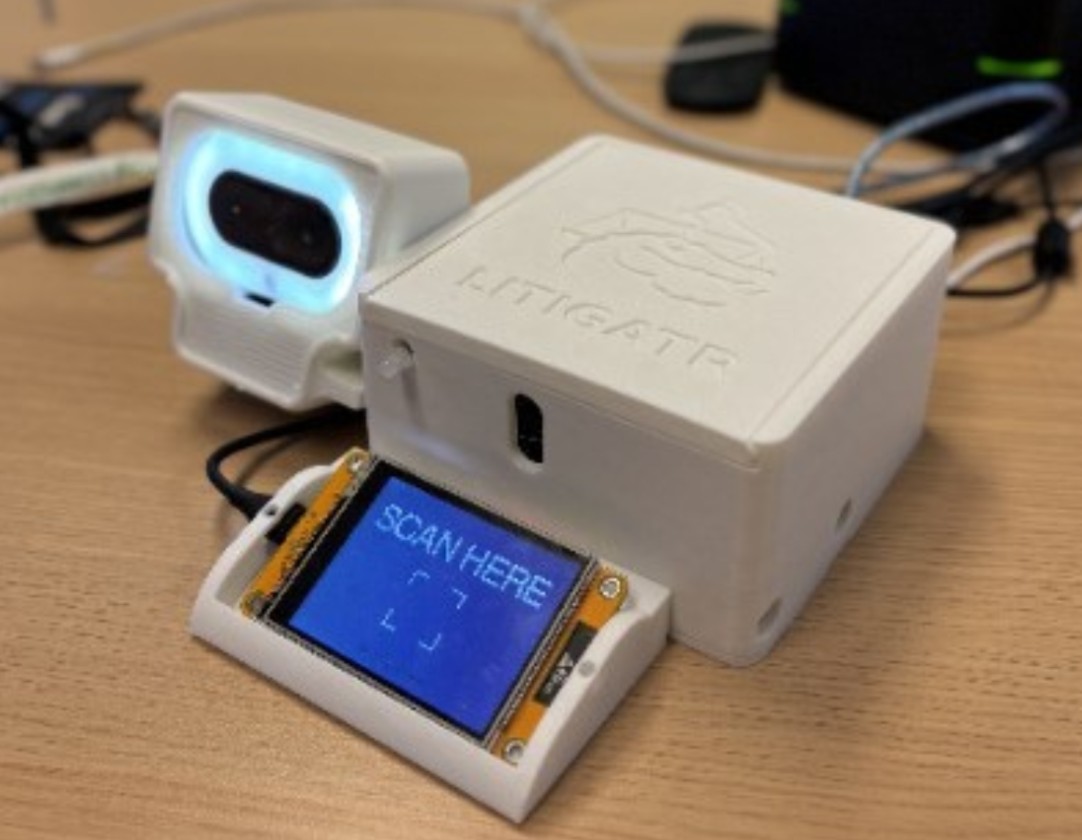
LITIGATR courtroom check-in kiosk
2025East Bay Hackathon, 1st Place

LITIGATR

A courtroom check-in kiosk that identifies visitors and gives clear status feedback at the entrance.

Read the full build story

What I built

A Raspberry Pi handles facial recognition, an ESP32 drives the display, and an Arduino controls the LED and buzzer feedback. The boards fit into a modular 3D-printed shell.

The problem I worked through

The recognition, display, and physical feedback ran on different boards, which made coordination and rapid troubleshooting difficult during the hackathon.

How I improved it

I divided the system into clear modules and designed the shell so each section could be reached independently, letting the team test recognition, status output, and feedback before combining them.

Tools: Raspberry Pi, ESP32, Arduino, Python, facial recognition, 3D printing

View project
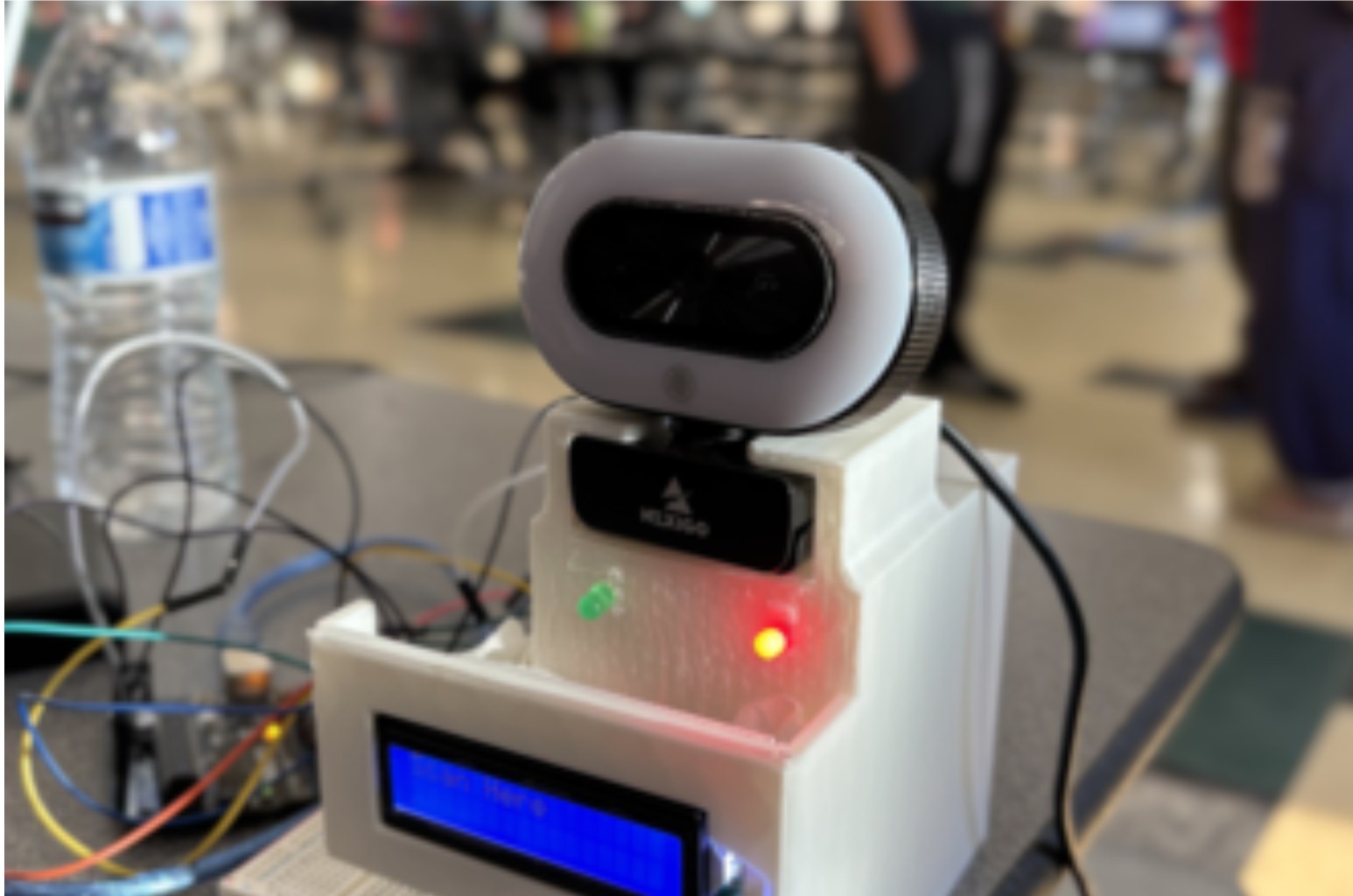
Class Pass portable school attendance kiosk
2025LG Hacks, 2nd Place

Class Pass

A portable facial recognition system for recording school lunch attendance without a paper sign-in line.

Read the full build story

What I built

The prototype runs recognition on a Raspberry Pi and packages the camera, display, and feedback hardware in a Fusion 360 enclosure sized for a cafeteria check-in point.

The problem I worked through

A cafeteria system needs to recognize students quickly while remaining easy to carry, place, and reset between sessions.

How I improved it

I narrowed the workflow to a single fast check-in action and designed a portable enclosure that held the camera at a consistent angle while keeping the electronics protected.

Tools: Raspberry Pi, Python, facial recognition, Fusion 360, 3D printing

View project
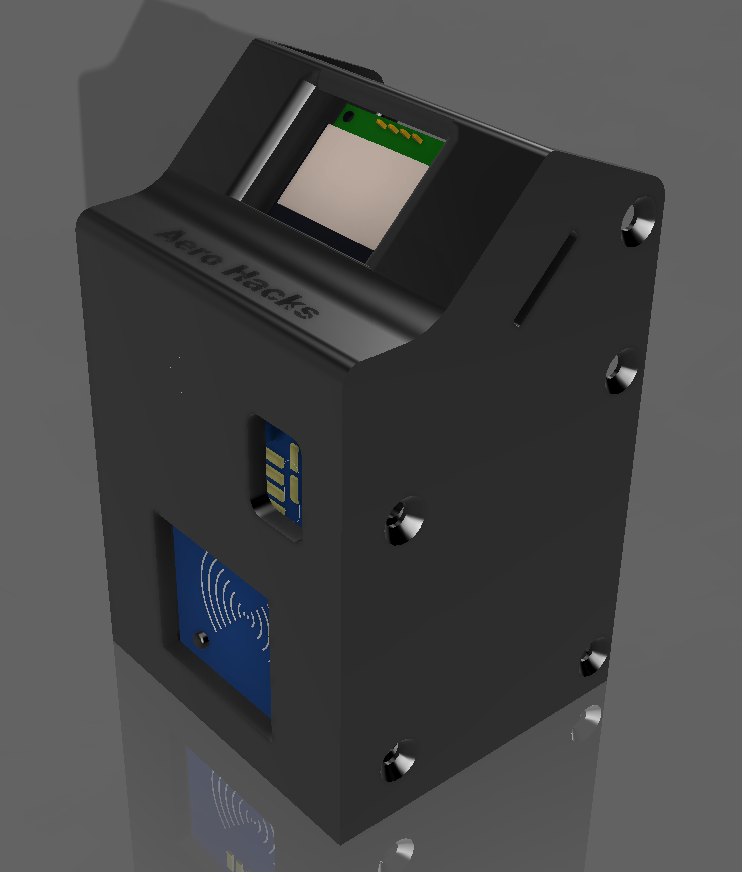
Argus RFID debate tournament assistant
2026AeroHacks, 1st Place

Argus

An RFID-based debate assistant for competitor check-ins, speech timing, case files, and judge notes.

Read the full build story

What I built

An ESP32 and RFID reader handle physical check-ins, while Arduino and Python services connect the device to shared records in Supabase. The interface keeps event tools in one place for competitors and judges.

The problem I worked through

Tournament information is spread across timing tools, paper ballots, case files, and attendance lists, and a new system cannot slow down a round.

How I improved it

I used RFID for a fast physical interaction and kept the longer records in Supabase, separating immediate check-in and timing tasks from case files and judge notes.

Tools: ESP32, RFID, Arduino, Python, Supabase, embedded displays

View project
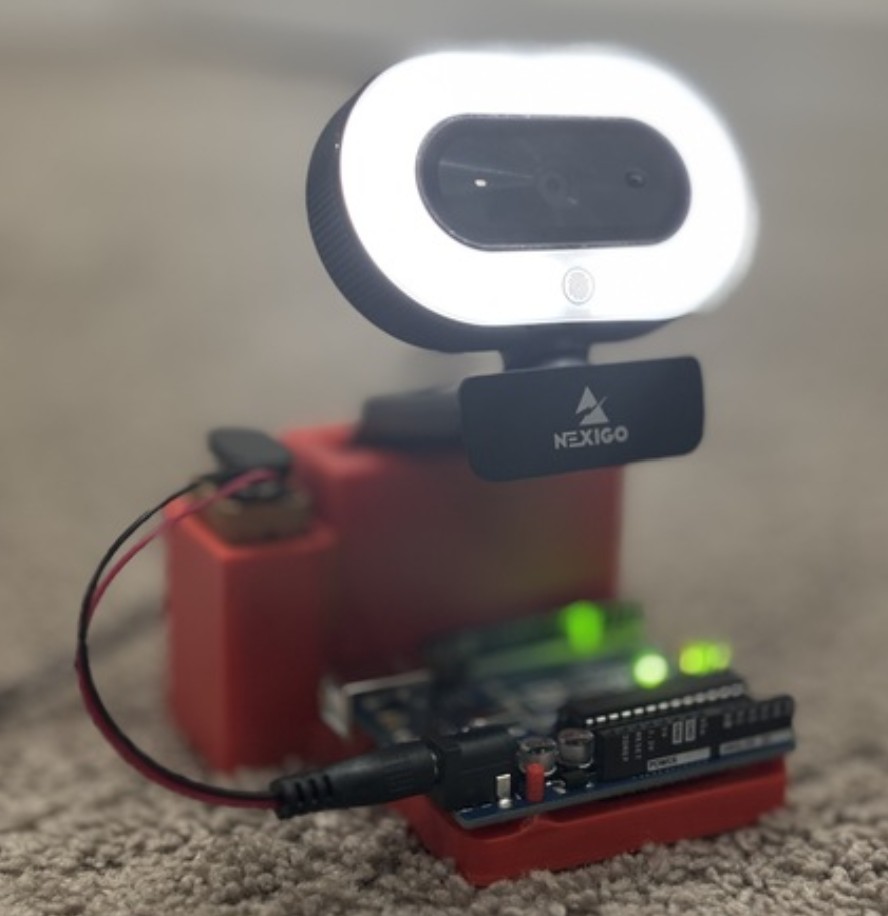
Doze Watch driver drowsiness detection prototype
2025VikingHacks, 2nd Place

Doze Watch

A camera-based driver alert that watches eye state and warns when signs of drowsiness persist.

Read the full build story

What I built

Python and OpenCV track the driver's eyes, while a custom 3D-printed mount keeps the camera fixed relative to the face so readings remain more consistent.

The problem I worked through

A normal blink should not trigger an alarm, but sustained eye closure needs a quick response. Camera movement can also make the same face look different frame to frame.

How I improved it

I based alerts on repeated eye-state measurements rather than a single frame and used the fixed mount to reduce angle changes during testing.

Tools: Python, OpenCV, computer vision, alert logic, 3D printing

View project
BlazeWatch camera and environmental sensor prototype
2025Wildfire detection prototype

BlazeWatch

A wildfire monitoring prototype that combines camera detection, environmental readings, and mobile alerts.

Read the full build story

What I built

The system watches for visual fire signals, reads temperature and humidity, and sends an alert when the combined conditions indicate a possible wildfire.

The problem I worked through

Vision by itself can mistake lighting or color changes for fire, while environmental sensors alone cannot show what is happening at a location.

How I improved it

I combined the camera result with temperature and humidity data and placed the components in a dedicated enclosure, giving the alert more context than any one input could provide.

Tools: Computer vision, temperature and humidity sensors, mobile alerts, enclosure design

View project
Smart Irrigation Arduino and sensor system
2024STEMist Hacks III, 3rd Place

Smart Irrigation

An automated irrigation system that waters plants based on soil and environmental conditions.

Read the full build story

What I built

An Arduino reads soil moisture, temperature, and humidity, shows the values on an I2C LCD, and controls a water pump. I also modeled the system enclosure in Fusion 360.

The problem I worked through

Soil sensors fluctuate, and switching a pump from a small microcontroller requires clear thresholds and careful separation between sensing and power control.

How I improved it

I displayed the live readings for calibration, used the soil result to control watering, and packaged the pump, display, and sensors into a complete prototype for a five-minute judged demonstration.

Tools: Arduino, water pump, I2C LCD, soil moisture, temperature, humidity, Fusion 360

View project

Speech and Debate

A competitive record built round by round.

Across 53 tournaments, I went from last place in two events to a top-20 California ranking in both, earning national and international recognition while helping lead my school's competitive program.

2xTournament of Champions qualifier
4xCalifornia State qualifier
2xNational qualifier
Top 2%NSDA Academic All-American

#11 in CaliforniaDuo Interpretation

#20 in CaliforniaHumorous Interpretation

14th of 100+ in Duo Interpretation

Tournament of Champions 2025

Performed an adaptation of The Babadook about grief and the lack of support for single mothers. The piece developed across more than 30 tournaments and 42 rounds, with an average rank near 2.

5th of 58 in Humorous Interpretation

Arizona HDSHC Invitational

Turned the sitcom Outsourced into a comedic argument about internalized Indian racism, refining the piece over eight months and seven rounds at the tournament.

5th of 45 in Duo Interpretation

UC Berkeley Cal Invitational

Reached the final after averaging roughly 1.5 in the rounds before finals, using performance, editing, and movement to carry a serious message without props.

Leadership beyond competition

Head of Publicity in grade 11. Senior Council in grade 12.

I designed the team's promotional material, grew membership and following by 250 percent, organized team and community events with more than 200 attendees, mentored two youth programs with more than 30 students, and supported more than $33,000 in fundraising.

Experience and leadership

Taking responsibility for the whole system.

2023 to 2026

Co-Founder

Central Valley Printing Company

Co-founded a small 3D-printing studio serving more than 30 clients who needed prototypes, fixtures, replacement parts, and competition components.

  • Generated more than $3,000 in revenue and modeled more than 20 unique parts in Fusion 360.
  • Ran Neptune 4 Plus, Neptune 4 Pro, and Bambu P1S printers across PLA and PETG jobs.
  • Improved batching, slicer profiles, and fit checks while delivering a 200-part local youth government order.

Grades 11 and 12

Team Captain

VEX Robotics

Led mechanical development and biweekly meetings for a team of more than six members in one of the toughest VEX regions.

  • Reached the school's third State qualification, a top-75 regional skills ranking, and a 71-point High Stakes score.
  • Designed robot concepts in Fusion 360 and mentored new members in VEX design principles and basic code.

Grades 11 and 12

Treasurer

School Robotics Club

Supported six teams, managed competition spending, and helped make the club more accessible to new and younger builders.

  • Budgeted for more than $10,000 in VEX parts and five competitions while helping raise over $30,000.
  • Directed a three-day STEM camp for more than 100 children and developed introductory CAD and coding curriculum.
  • Conducted more than 50 team interviews and helped increase club interest by 48 percent.

Grades 11 and 12

Secretary

Circuitry Club

Hosted weekly meetings and built practical electronics lessons for both club members and school engineering classes.

  • Taught Arduino, displays, motors, and sensors and installed electronics projects in more than ten classrooms.
  • Planned four lab tours for more than 100 members and hosted five workshops that raised $5,000.

Education

UC Santa Barbara

B.S. in Computer Engineering

Robert Mehrabian College of Engineering

Expected 2030

Mountain House High School

High School Diploma, GPA 4.39

Advanced coursework: AP Physics C Mechanics, AP Chemistry, AP Calculus AB, AP Calculus BC, PLTW Introduction to Engineering Design, Principles of Engineering, Computer Integrated Manufacturing, and Engineering Design and Development.

Download my resume

Hackathon record

A pattern of building under pressure.

Eleven awards across hardware, software, AI, and product design, earned in time-boxed competitions ranging from seven to 48 hours.

  • WizardHacks 2026, Best Use of You.com
  • BISV Hacks 2026, 1st Place
  • AeroHacks 2026, 1st Place
  • CruzHacks 2026, Best Hardware Hack
  • East Bay Hackathon 2025, 1st Place
  • CruzHacks 2025, Best Hardware Hack
  • LG Hacks 2025, 2nd Place
  • VikingHacks 2025, 2nd Place
  • StangHacks, 2nd Place
  • STEMist Hacks III 2024, 3rd Place
  • MountainHacks 2024, 1st Place and Best Hardware Hack

Toolbox

What I build with.

Hardware

ESP32, Arduino, Raspberry Pi, Orange Pi, sensors, circuit design, PCB layout, soldering

Software

C++, C, Python, FastAPI, Flask, OpenCV, TensorFlow, React Native, Three.js, Supabase, Git

Design and fabrication

KiCad, Fusion 360, OpenSCAD, CAD/CAM, slicer preparation, CuraEngine, 3D printing

Contact

Want to talk hardware, a project, or a strange prototype idea?

I am always happy to meet people who like making things.